
Why Restaurants Are Particularly Vulnerable to Pests
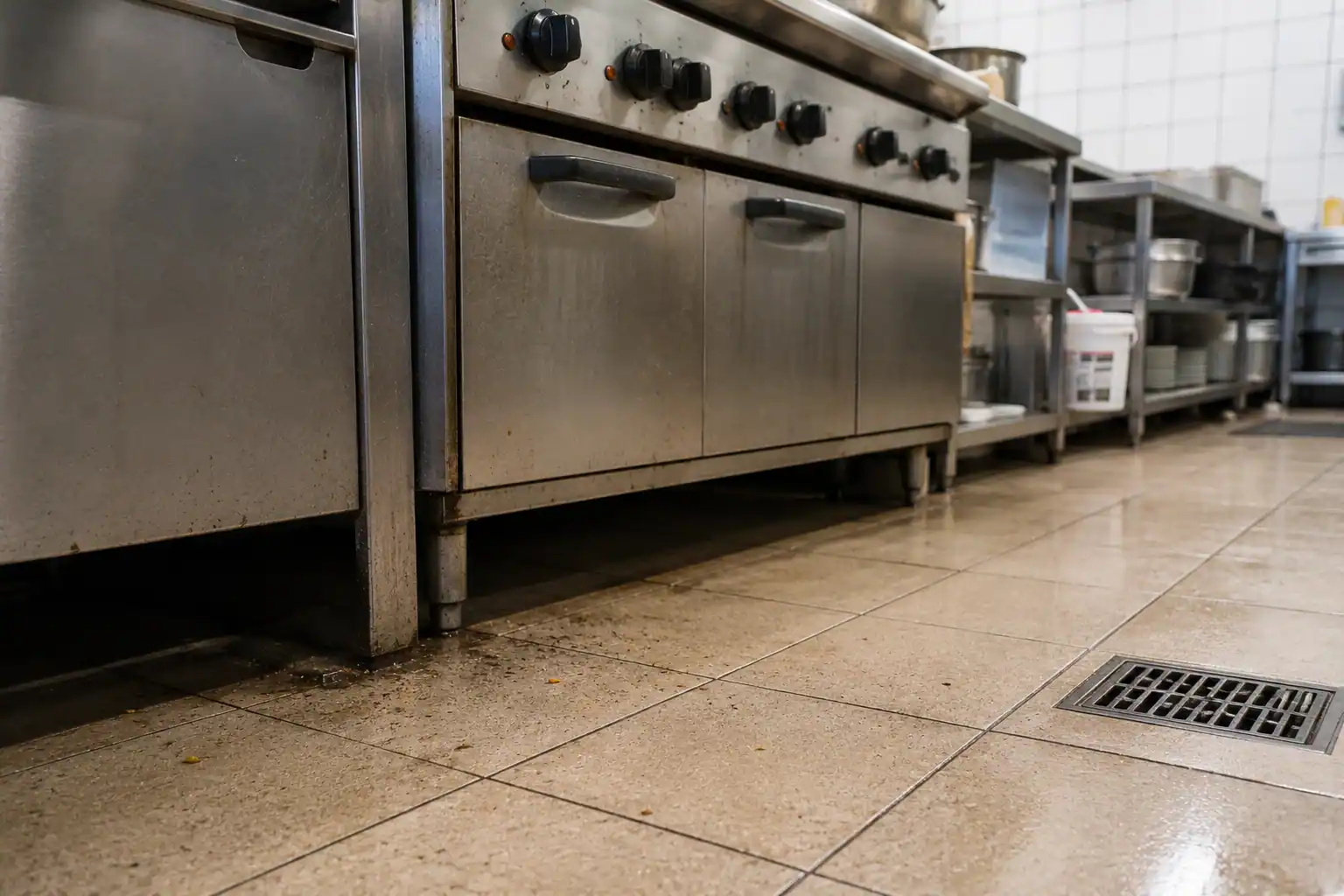
Even a well-run kitchen has pest pressure. Heat from cooking equipment creates warm hiding places. Sinks, floor drains, condensation and leaking plumbing provide moisture. Small amounts of grease or food beneath an appliance can sustain insects without being obvious during an ordinary clean.
The risk also extends beyond the cooking line. Dry stores offer quiet shelving and packaged food. Receiving areas bring in cartons, crates and goods from multiple suppliers. Bin yards collect food residue, while gaps beneath frequently opened doors give pests a direct route indoors.
Gauteng adds its own practical challenges. Warmer periods and summer rainfall can increase insect activity, while dense commercial areas allow pests to move between adjoining businesses, service passages and shared waste areas. A restaurant in a Sandton retail centre faces different access points from a standalone takeaway in Centurion, but neither operates in isolation from its surroundings.
The Pests Restaurant Teams Should Watch For
The useful question is not simply which pests occur, but where staff are likely to find their earliest signs.
Cockroaches
Cockroaches favour tight, warm and damp spaces close to food and water. In restaurants, that often means behind refrigerators, beneath sinks, inside equipment voids, around pipe penetrations and near drains. Small species can hide in extremely narrow gaps and may spread in packaging or equipment.
Staff should report live or dead cockroaches, pepper-like droppings, shed skins, egg cases and an unusual musty odour. A daytime sighting can be especially important because it may indicate disturbance, competition for hiding space or more established activity. Spraying the visible insect does not address the hidden source.
Rats and mice
Rodents may enter near receiving bays, poorly sealed doors, roof spaces, waste areas or openings around pipes and cables. They can damage packaging and wiring, contaminate surfaces and create a serious food-safety concern.
Look for dark droppings, gnaw marks, torn packaging, greasy rub marks along regular routes, tracks in dusty areas and scratching after closing. Do not sweep or handle suspect droppings casually in a food area; isolate the affected space and get professional guidance.
Flies
Different flies point to different sources. Houseflies may be associated with open doors, waste and contaminated material. Small flies around bars, drains or preparation areas can indicate organic build-up in a drain, beneath equipment or around damaged tiles and grout.
Repeatedly killing adult flies will not solve a breeding source. Staff should note where the flies gather and whether activity is strongest near a drain, bin, beverage station or delivery entrance.
Ants
Ant trails often lead to sugary spills, beverage stations, dry goods or moisture. The visible workers are only part of the colony, so wiping away the trail may provide a short-lived improvement without solving the source.
Record where trails begin and end, then clean the food residue without spraying over professional bait placements. An inconsistent mix of household products and commercial treatments can make control less effective.
Stored-product pests
Beetles, moths and other small insects can arrive in flour, grains, spices, nuts, pet food and similar dry products. Warning signs include webbing, larvae, small beetles, damaged packaging or insects inside a sealed-looking container.
Quarantine the suspect stock, inspect nearby goods and keep the supplier and batch information. The problem may be limited to one delivery, but affected product should not simply be moved to another storeroom.
How Pests Get Into a Restaurant
A kitchen can be clean and still receive pests from outside. Understanding the route in helps prevent repeated treatments of the same symptom.
| Entry route | What to check |
|---|---|
| Deliveries and packaging | Cartons, crates and dry goods for insects, droppings, webbing or damaged packs before stock is shelved. |
| Doors and loading areas | Daylight beneath doors, worn seals, doors left open and clutter near delivery entrances. |
| Drains and plumbing | Organic build-up, broken covers, leaks and unsealed openings around pipes. |
| Waste areas | Overflowing bins, residue beneath containers, missing lids and delayed collections. |
| Storerooms | Old stock, cardboard build-up, spillage beneath shelving and products stored directly on the floor. |
| Adjacent businesses | Shared walls, ceilings, service ducts, bin yards and delivery corridors in retail centres or restaurant complexes. |
| Structural gaps | Openings around cables, vents, roof edges, damaged grouting and gaps where fittings meet walls. |
Reactive Treatment vs Preventative Pest Management
Reactive treatment begins after a pest has been seen or damage has been found. It is sometimes necessary, particularly when activity is urgent, but it starts with less information and often under pressure. By the time rodents are moving through a dining area or cockroaches are appearing during service, the problem may already extend into hidden spaces.
Preventative pest management uses routine inspections and monitoring to find changes early. It considers access points, harbourage, moisture, stock practices and waste handling as well as treatment. The aim is not to apply chemicals on a calendar regardless of conditions; it is to understand the site and respond appropriately to evidence.
This approach also makes responsibilities clearer. The pest-control provider can identify activity, monitor trends, treat suitable areas and recommend proofing. Restaurant management remains responsible for cleaning, maintenance, stock handling and staff procedures. Neither side can replace the other.
What a Sensible Restaurant Pest-Management Programme Can Include
The right programme depends on the premises. A café with light food preparation will not have exactly the same risks as a high-volume fast-food kitchen, bakery or multi-unit franchise. A useful programme may include:
- an initial inspection of kitchens, stores, receiving points, waste areas, ceilings, external perimeters and relevant shared spaces;
- routine inspections focused on likely harbourage and previous activity;
- monitoring devices positioned where they can provide useful evidence without creating a food-safety risk;
- targeted treatment of cracks, voids and harbourage areas when justified;
- rodent monitoring and control where the site assessment shows it is needed;
- clear recommendations for sealing gaps, correcting moisture problems and improving housekeeping;
- service records showing findings, work completed and actions assigned; and
- follow-up when activity is found, rather than assuming one visit has resolved the source.
Service frequency should be based on risk, pest history, the building and monitoring results. Be cautious of anyone promising a universal schedule without first understanding the premises.
What Restaurant Staff Can Do Between Pest Control Visits
Daily routines have a large influence on whether a pest finds enough food, water and shelter to remain. These actions are simple enough to build into opening, closing and receiving checks:
Practical staff checklist
- Clean spills promptly, including beneath movable equipment and along floor-wall edges.
- Keep ingredients sealed, labelled and off the floor; do not leave open product overnight.
- Rotate stock using first-in, first-out principles and check slow-moving items for damage.
- Inspect deliveries before shelving them and isolate anything with insects, webbing, droppings or torn packaging.
- Remove unnecessary cardboard promptly instead of allowing it to accumulate in stores.
- Keep bins closed, clean the area around them and match collections to the amount of waste produced.
- Clean drains as part of the kitchen's approved hygiene routine and report damaged covers or persistent odours.
- Repair dripping taps, leaking pipes and condensation problems.
- Keep external and delivery doors closed when not in use, and report damaged door sweeps or seals.
- Record every pest sighting with the time and exact location; a photograph helps if it can be taken safely.
Staff should also know not to move monitoring devices, apply shop-bought pesticide over professional treatments or conceal a sighting because the restaurant is busy. Early, accurate reporting makes the response faster and more focused.
When to Call a Pest-Control Company Immediately
Do not wait for the next planned visit when there is a reasonable chance that food, packaging or a food-contact area has been affected. Contact your provider promptly if staff find:
- a rat or mouse, fresh droppings or gnawed food packaging in a kitchen or store;
- repeated cockroach sightings, especially during daytime or across more than one area;
- insects, larvae or webbing inside ingredients or multiple dry-goods packs;
- fly activity that returns quickly after cleaning or appears to come from a drain or hidden source;
- evidence that activity has spread into customer-facing areas;
- a damaged monitoring device or bait station; or
- any pest incident connected to a customer complaint or possible food contamination.
Set affected food aside and follow the restaurant's food-safety procedure. A pest-control company can investigate and treat the pest problem, but management must decide how potentially affected food, equipment and service areas are handled.
Why Pest Management Matters for Food Safety and Reputation
Pests can contaminate food and surfaces, damage stock and undermine customer confidence. A single public sighting may become a complaint or online review, but the operational concern is broader: whether the restaurant can show that it identified the issue, protected food and took corrective action.
South African compliance context
South Africa's national hygiene framework for food premises includes the Regulations Governing General Hygiene Requirements for Food Premises, the Transport of Food and Related Matters (R638 of 22 June 2018). These regulations form part of the legal context in which food premises operate and address protection of food from contamination and the keeping of premises free from conditions that attract or harbour pests.
This article is practical guidance, not a legal compliance checklist. The appropriate pest-management plan, inspection expectations and records may also depend on your municipality, franchise system, landlord, insurer, customer contracts or food-safety programme. Confirm specific obligations with the relevant authority or qualified food-safety adviser.
Good service records are useful because they show what was inspected, what was found, what was treated and which corrective actions remain. Records do not compensate for poor hygiene or ignored repairs, but they support a consistent system and make recurring patterns easier to identify.
A Programme Should Fit the Restaurant and Its Surroundings
Restaurants across Johannesburg, Pretoria, Midrand and the East Rand do not all experience the same pressure. Sites in shared retail centres may depend on landlords or neighbouring tenants to correct communal waste and structural issues. Standalone premises may have more control over their perimeter but larger yards, rooflines or delivery areas to manage.
The best commercial kitchen pest control is site-specific. It connects what the technician finds with the way stock, waste, cleaning and maintenance are actually managed day to day.
Need help with pest control for your restaurant?Essential Pest Control assists restaurants and food-service businesses across Gauteng with current pest problems, preventative management and ongoing commercial pest-control programmes.
Request a Free QuoteFrequently Asked Questions
How often should a restaurant have pest control?
There is no useful one-size-fits-all answer. Frequency should reflect pest history, food preparation, waste, building condition, neighbouring premises and monitoring results. An inspection should come before a schedule is recommended.
Can good cleaning replace professional pest control?
No. Cleaning removes food and water that help pests survive, but it may not detect hidden harbourage, inaccessible entry points or activity inside voids. Cleaning, maintenance and professional pest management support one another.
Should staff spray a cockroach when they see one?
Record the location and notify the responsible manager or pest-control provider. Unplanned spraying can scatter activity, contaminate inappropriate areas or interfere with baits. Follow the site's agreed procedure.
Can pests arrive in deliveries?
Yes. Insects and signs of rodents can arrive with cartons, crates, dry ingredients or returned equipment. A receiving check and prompt removal of unnecessary cardboard reduce the chance of pests reaching storage and preparation areas.