
Guesthouses, Lodges, B&Bs & Boutique Accommodation
In hospitality, one sighting can become a photograph, a review and a cancelled booking before management has the full picture. We help Gauteng accommodation providers respond discreetly, inspect thoroughly and build practical prevention around room turnover, occupancy and daily guest service.
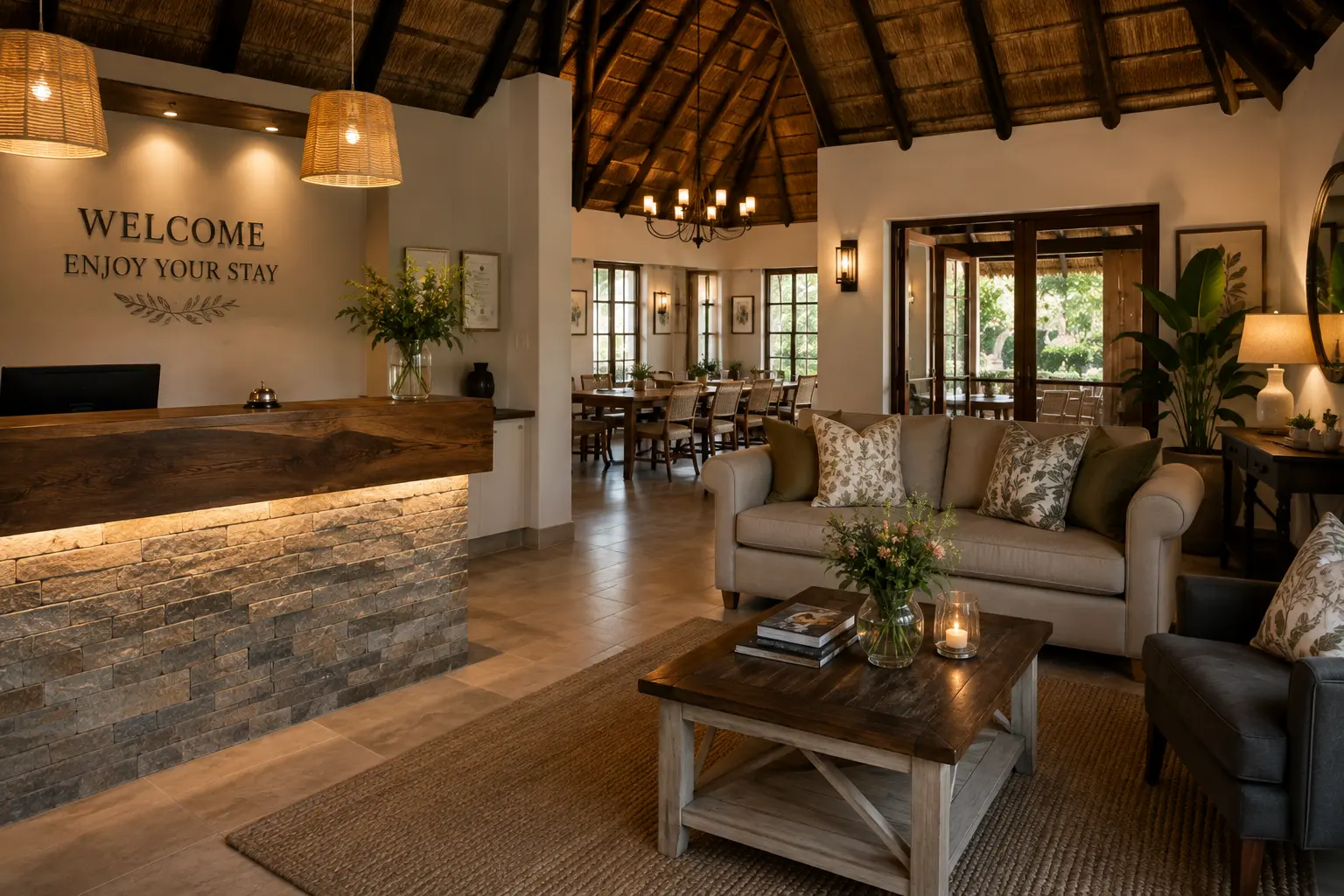
The cost is rarely limited to one room
Guests judge accommodation on comfort, cleanliness and how management responds when something goes wrong. Speed matters, but so do correct identification and a controlled plan.
A photograph or online comment can influence future guests who never contact you for context. Discreet early action helps protect the experience behind your reputation.
Incorrect or incomplete treatment can lead to repeat complaints and additional downtime. A properly scoped response helps management make informed room decisions.
Luggage, linen, deliveries, housekeeping trolleys and adjoining rooms can all influence how activity enters or spreads through a property.
Inspect the complete guest journey
Beds, headboards, bedside furniture, skirtings, luggage areas and shared walls are assessed carefully when biting insects are suspected.
Used linen, clean stock, housekeeping trolleys and storage areas can create transfer routes between rooms if an issue is not contained.
Food preparation, appliances, dry stores and dining spaces attract cockroaches, ants, flies and rodents.
High guest turnover, furniture, bags and food service make common areas part of the wider inspection-not an afterthought.
Vegetation, refuse points, outdoor dining, drainage and boundary conditions influence ants, rodents, mosquitoes and other outside pressure.
Voids, storerooms, staff facilities and delivery zones can conceal rodent, bird or cockroach activity away from guest-facing rooms.
Built around occupancy and guest service
We confirm the pest and extent of activity before deciding which rooms, adjoining spaces or operational areas need action.
Where practical, inspection and treatment windows are coordinated with occupancy, housekeeping and guest arrival times.
Management and housekeeping receive practical guidance for rooms, linen, furniture, food areas or other affected zones before service.
We work through the nominated property contact, keeping the response organised and avoiding unnecessary discussion in guest areas.
The method is matched to the confirmed pest, room use, furnishings, food activity and access requirements.
Reports document findings, treated areas and practical recommendations for housekeeping, maintenance and management.
When a guest reports bites or insects
Record the room, date, guest report and exact location of any evidence. Avoid moving loose items into other rooms before the area is assessed.
We examine likely harbourage, luggage areas, furniture and relevant adjoining spaces to establish whether evidence supports a bed bug finding.
Management receives room-specific instructions and an explanation of which spaces should be included before treatment proceeds.
Bed bug work may require monitoring or repeat attention. The follow-up plan depends on the evidence, treatment method and conditions found.
From urgent room response to planned prevention
A six-room guesthouse and a multi-building lodge have different occupancy patterns, facilities and pest pressure. We scope the service around the actual property.
Urgent inspection and targeted treatment when a guest or staff member reports activity.
Scheduled preventative servicing for kitchens, perimeters, waste areas, roof spaces and recurring risk zones.
Portfolio support for operators managing several Gauteng guesthouses, lodges or short-stay properties.
Common hospitality pest pressures
Guest movement, luggage, furniture and linen can introduce biting insects. Accurate inspection and controlled handling are essential.
Kitchens, breakfast rooms, minibars, drains, waste and outdoor dining create multiple food and moisture sources.
Rodents exploit roof spaces, service gaps, gardens and waste areas, while mosquitoes and other pests affect patios and outdoor guest spaces.
Questions from guesthouse and hospitality managers
Record the room and evidence, avoid moving loose belongings or linen into unaffected spaces, and arrange an inspection. Bites alone do not confirm bed bugs, so correct identification should come before treatment.
That depends on the pest, evidence and proposed treatment. We explain access, preparation and re-entry requirements so management can make an informed room-allocation decision.
Sometimes. The room layout, evidence, service routes and likely spread determine whether adjoining or nearby rooms should form part of the inspection.
Where the required work and available time allow it, yes. More involved treatments may need a longer access or re-entry window, which we clarify beforehand.
Yes. Scheduled programs can cover kitchens, waste, perimeters, roof spaces and other recurring risks, with guest-room issues handled according to the agreed scope.
Yes. We can maintain site-specific plans while providing a consistent contact and reporting approach across a Gauteng hospitality portfolio.
Other commercial properties we support
Tell us what was reported, which room or area is affected and when access is available. We will help you plan the right response.